
Failed Campaign
The product launch campaign that taught me to validate before you scale
Year
2025
Summary
I developed and executed a nine-week integrated content campaign, and learned more from its failure than I would have from its success.
Company
NexiGo
Failed Campaign
The product launch campaign that taught me to validate before you scale
Year
2025
Summary
I developed and executed a nine-week integrated content campaign, and learned more from its failure than I would have from its success.
Company
NexiGo
Forming a hypothesis; testing out a new audience
We were about to release a new product line of portable projectors.
While the projector market typically focuses on movies and gaming, the portability of these new projectors was likely to appeal to another target demographic.
Recent content had hinted at a different audience. A partnership with a muralist had performed well, as had a series of paint pouring reels and other lifestyle content.
This led me to ask: Could projectors appeal to hobbyists and DIY creators?
We were about to release a new product line of portable projectors.
While the projector market typically focuses on movies and gaming, the portability of these new projectors was likely to appeal to another target demographic.
Recent content had hinted at a different audience. A partnership with a muralist had performed well, as had a series of paint pouring reels and other lifestyle content.
This led me to ask: Could projectors appeal to hobbyists and DIY creators?
My role
To reach this potential new audience, I developed and executed a 9-week marketing campaign. My contributions included:
To reach this potential new audience, I developed and executed a 9-week marketing campaign. My contributions included:
Developing the campaign strategy
Facilitating brainstorming sessions with the creative team
Coordinating and scheduling content creation across platforms
Creating written assets, including blogs and emails
Developing the campaign strategy
Facilitating brainstorming sessions with the creative team
Coordinating and scheduling content creation across platforms
Creating written assets, including blogs and emails
Here's how I developed my first integrated content strategy, what assumptions I made, how I executed it, and what I learned when those assumptions proved incorrect.
Here's how I developed my first integrated content strategy, what assumptions I made, how I executed it, and what I learned when those assumptions proved incorrect.
Campaign Strategy
The campaign was built around the central theme of "Your Hobby, Our Projector".
The idea was that projectors could become tools for creative hobbies rather than devices used exclusively for entertainment. We would create content that showed practical applications for projectors across art, crafts, and other creative hobbies.
Through tutorials and inspiring shorts, we would empower creative people to bring a projector into their current workflow.
The campaign was built around the central theme of "Your Hobby, Our Projector".
The idea was that projectors could become tools for creative hobbies rather than devices used exclusively for entertainment. We would create content that showed practical applications for projectors across art, crafts, and other creative hobbies.
Through tutorials and inspiring shorts, we would empower creative people to bring a projector into their current workflow.

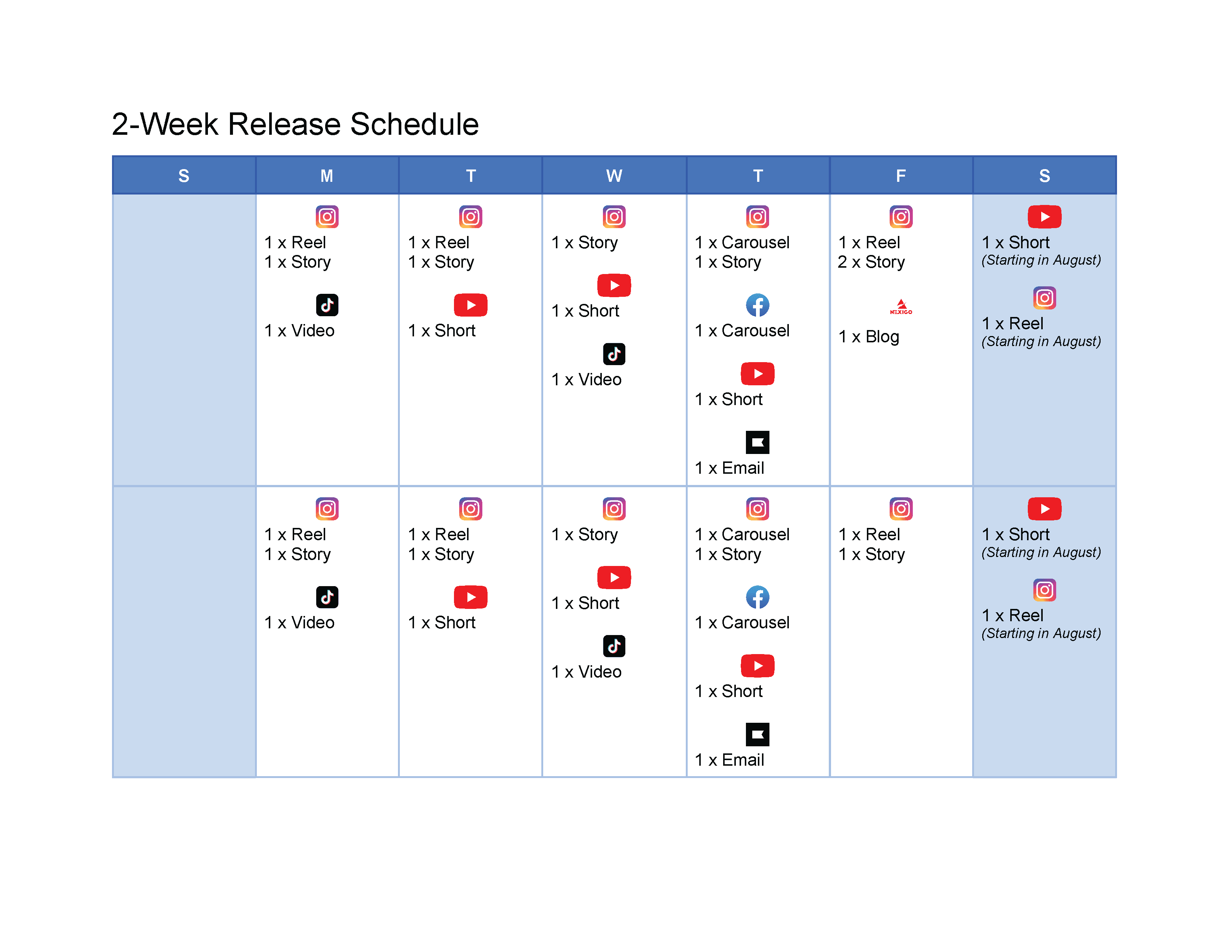
I created a comprehensive plan for the campaign. In 9 weeks, a team of 5 would create 160 pieces of on-theme content.
I created a comprehensive plan for the campaign. In 9 weeks, a team of 5 would create 160 pieces of on-theme content.

This content would be released on a 2-week cycle. Each cycle focused on a single hobby, allowing the team to produce interconnected content across every channel before moving to the next topic.
This content would be released on a 2-week cycle. Each cycle focused on a single hobby, allowing the team to produce interconnected content across every channel before moving to the next topic.
Each project became multiple assets
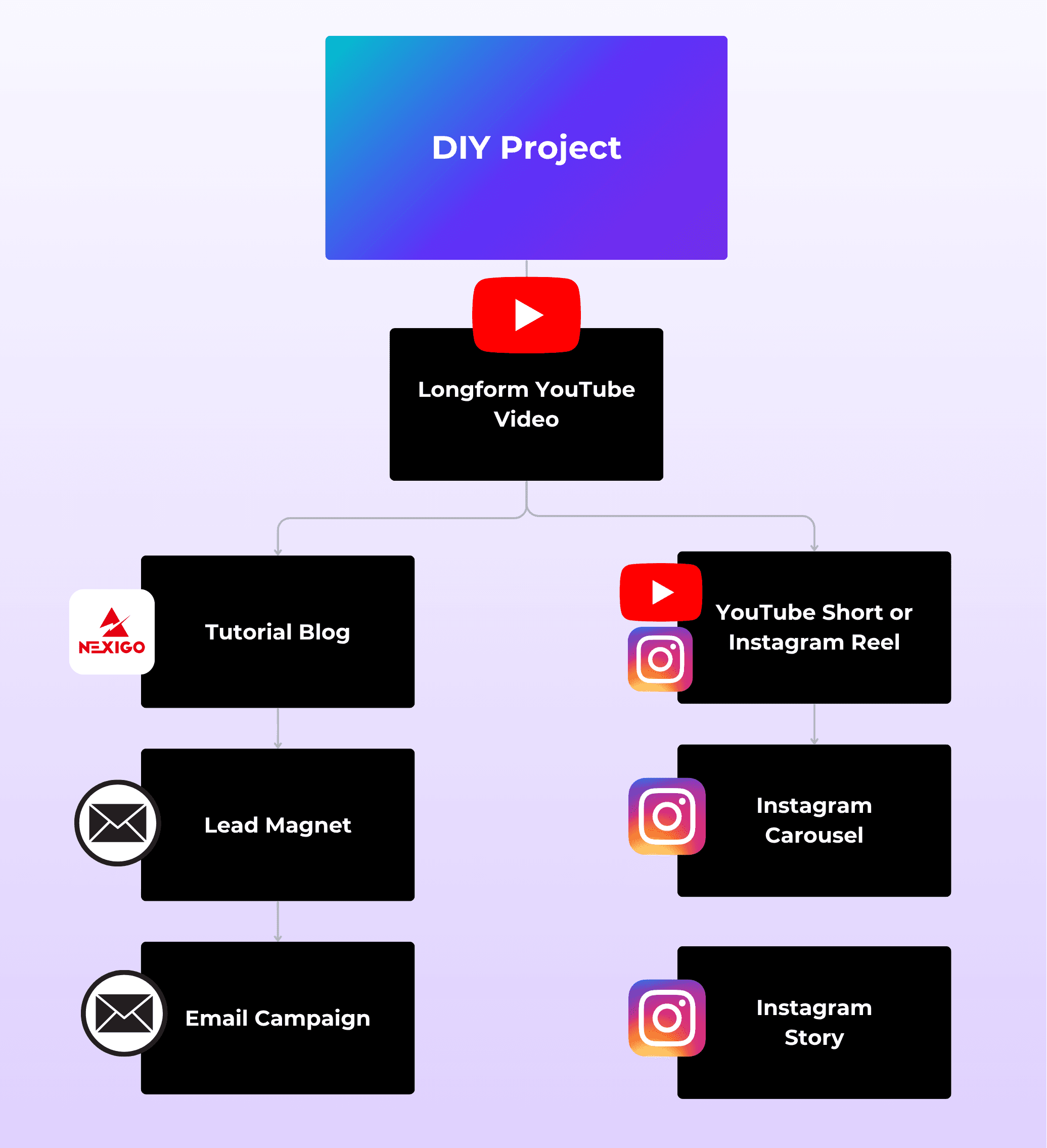
To sustain a 9-week campaign without overwhelming the team, I designed it around content multiplication. Each major project could be repurposed into up to 7 different pieces of content on different channels.
To sustain a 9-week campaign without overwhelming the team, I designed it around content multiplication. Each major project could be repurposed into up to 7 different pieces of content on different channels.
Cross-platform pollination
Each successive piece of content posted would link back to the former. This cross-platform approach would grow our audience across channels.
For example, the tutorial blog would feature an embedded YouTube video. It would also feature a widget where readers can sign up for the newsletter in exchange for extra tips in the lead magnet. In a follow-up email, we would recommend similar content on Instagram.
Each successive piece of content posted would link back to the former. This cross-platform approach would grow our audience across channels.
For example, the tutorial blog would feature an embedded YouTube video. It would also feature a widget where readers can sign up for the newsletter in exchange for extra tips in the lead magnet. In a follow-up email, we would recommend similar content on Instagram.
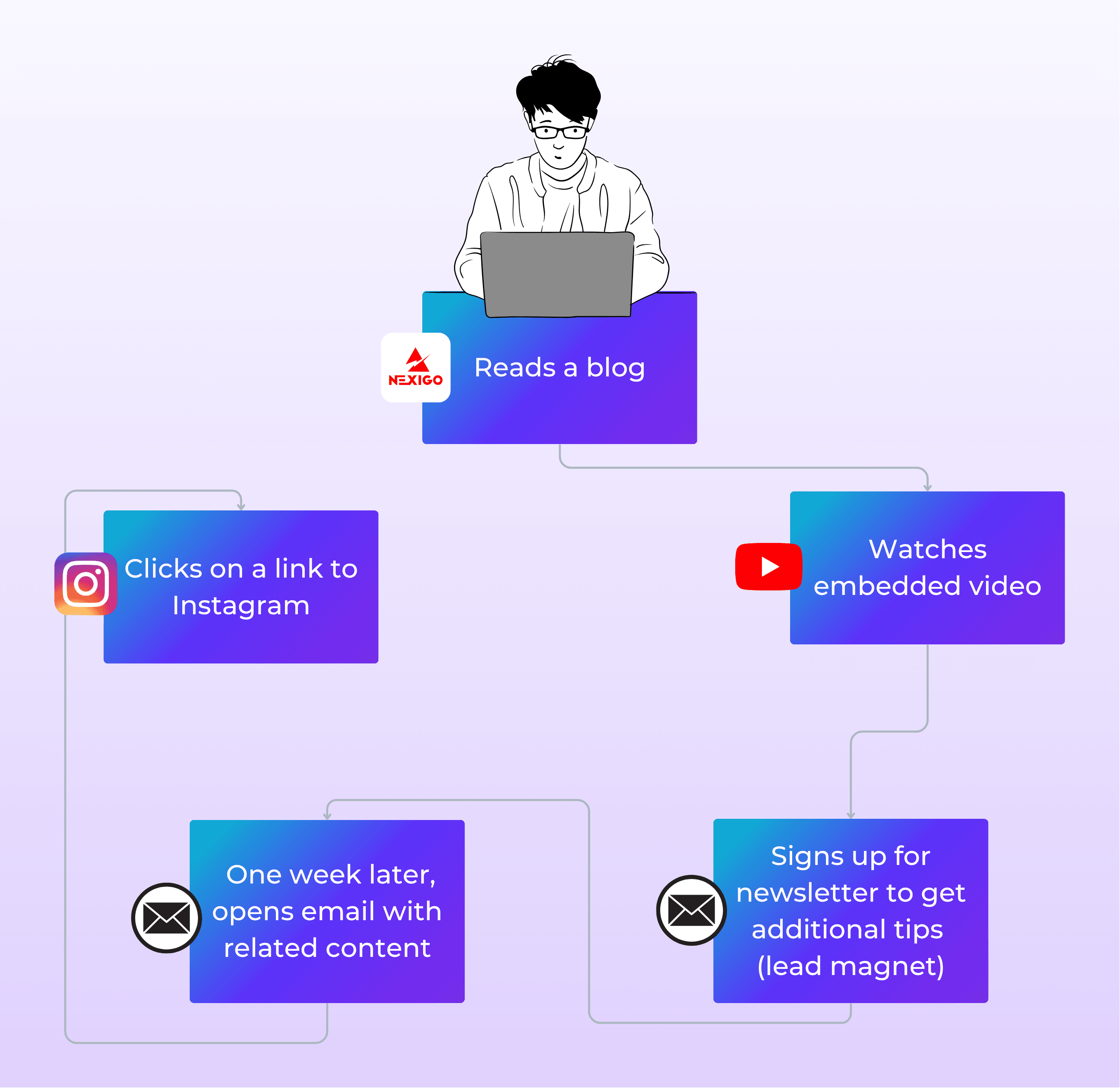
In this way, an engaged reader could be converted into a loyal subscriber on email and multiple social media platforms.
In this way, an engaged reader could be converted into a loyal subscriber on email and multiple social media platforms.
Example: How to build a gallery wall
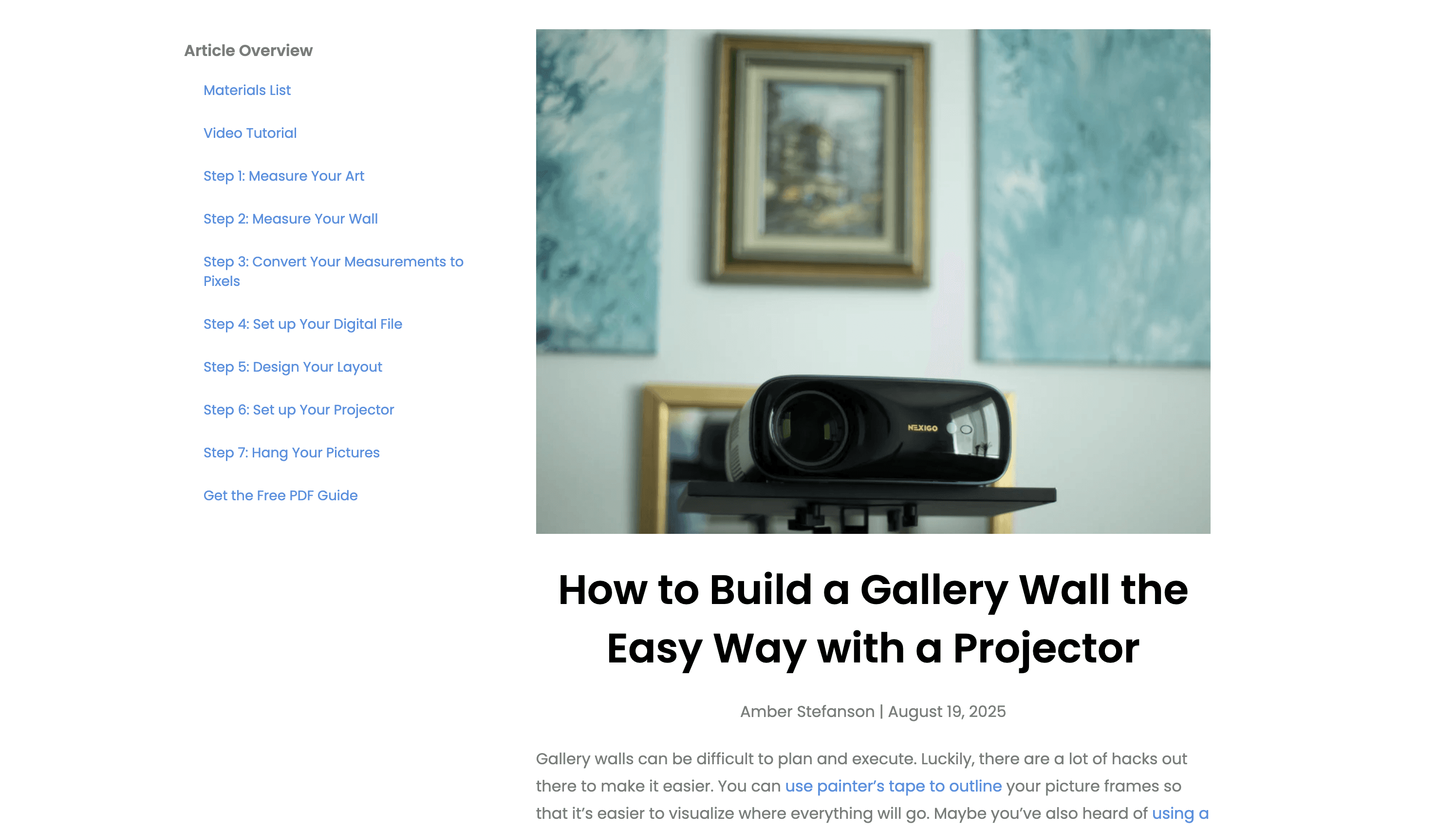
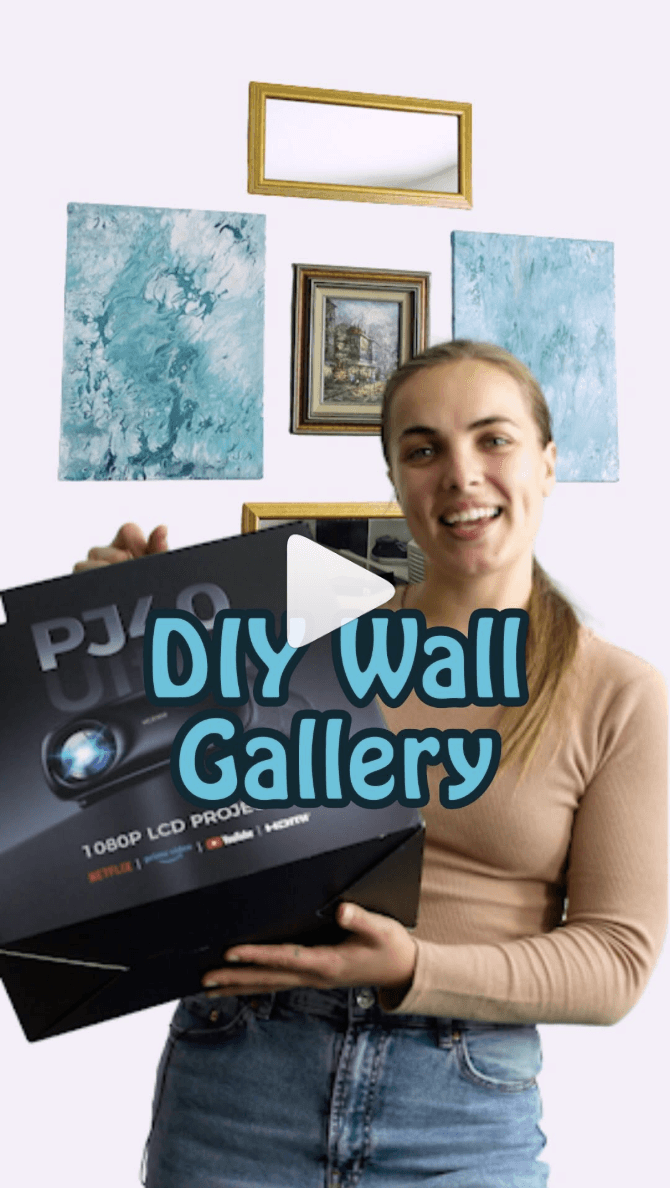
One DIY project from this campaign was a tutorial for how to use a projector to design and build a gallery wall. This DIY project became 5 distinct pieces of content:
One DIY project from this campaign was a tutorial for how to use a projector to design and build a gallery wall. This DIY project became 5 distinct pieces of content:
YouTube video
Instagram reel
How-to blog
Lead magnet
Email campaign
YouTube video
Instagram reel
How-to blog
Lead magnet
Email campaign



Outcome
While the campaign generated a substantial volume of content tha created a cohesive experience across channels, it revealed a flaw in my initial audience hypothesis.
I assumed creative hobbyists would be interested in projector-related content. The campaign revealed that this audience was significantly smaller than expected and less interested in projector content than gaming and entertainment audiences.
On average, the content produced during this campaign got only 34% of the viewership of our gaming and trend-focused content.
While the campaign generated a substantial volume of content tha created a cohesive experience across channels, it revealed a flaw in my initial audience hypothesis.
I assumed creative hobbyists would be interested in projector-related content. The campaign revealed that this audience was significantly smaller than expected and less interested in projector content than gaming and entertainment audiences.
On average, the content produced during this campaign got only 34% of the viewership of our gaming and trend-focused content.
What I learned
This experience taught me two important lesson about content strategy.
First, that engagement patterns and a few successful examples can make an audience appear larger than it really is.
Second, that it's better to market to the customer base you have, rather than trying to carve out space for a new audience overnight.
This experience taught me two important lesson about content strategy.
First, that engagement patterns and a few successful examples can make an audience appear larger than it really is.
Second, that it's better to market to the customer base you have, rather than trying to carve out space for a new audience overnight.
What I'd do differently today
Today, I'd plan a more successful campaign by investing more time into the research phase. The paint pouring and muralist content that sparked the hypothesis were both one-off collaborations, not sustained engagement patterns. With more rigorous testing, I would have recognized that earlier.
Instead, I would interview or poll customers before developing a new campaign. I would also test my hypothesis early with smaller projects before committing to a long-term campaign.
Today, I'd plan a more successful campaign by investing more time into the research phase. The paint pouring and muralist content that sparked the hypothesis were both one-off collaborations, not sustained engagement patterns. With more rigorous testing, I would have recognized that earlier.
Instead, I would interview or poll customers before developing a new campaign. I would also test my hypothesis early with smaller projects before committing to a long-term campaign.
Revisiting the Hypothesis
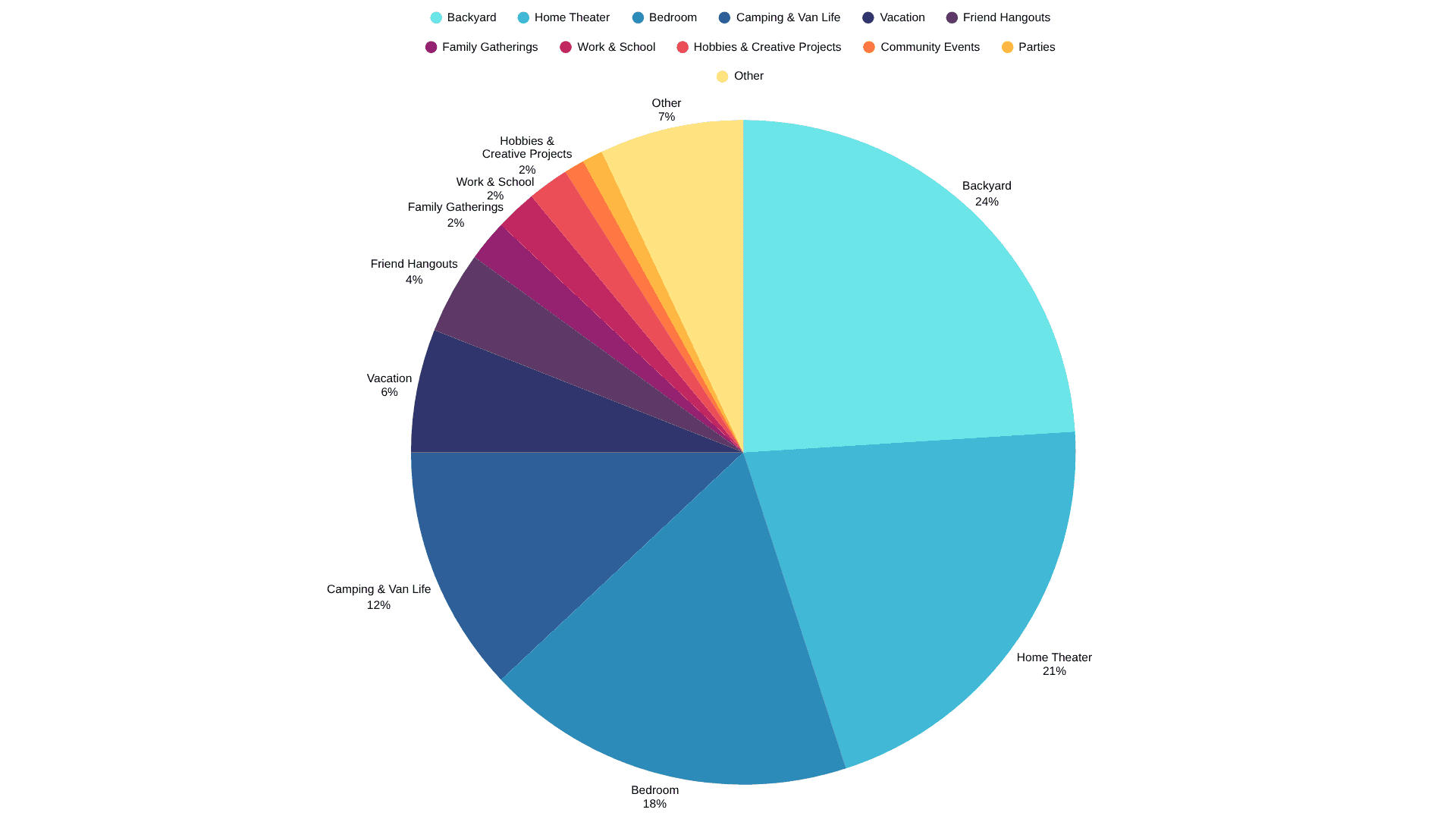
One year later, I had an opportunity to revisit the campaign's central assumption. As part of a product giveaway, participants were asked, "How would you use the Nova Mini?"
Because responses were open-ended, participants could describe their intended use in their own words.
Only 2% mentioned creative or hobby-related activities. This is compared to a collective 63% who would use it for home entertainment, and 18% who would use it while traveling or camping.
One year later, I had an opportunity to revisit the campaign's central assumption. As part of a product giveaway, participants were asked, "How would you use the Nova Mini?"
Because responses were open-ended, participants could describe their intended use in their own words.
Only 2% mentioned creative or hobby-related activities. This is compared to a collective 63% who would use it for home entertainment, and 18% who would use it while traveling or camping.
This reinforced what I had observed during the campaign: there isn't much overlap between people who are interested in purchasing a projector and those who enjoy creative hobby-related content.
However, the results also brought new insights. Between backyard, camping, and van life, outdoor use comprised 36% of all responses.
In the end, my hypothesis was not fully incorrect; the campaign was simply aimed at the wrong hobbies.
This reinforced what I had observed during the campaign: there isn't much overlap between people who are interested in purchasing a projector and those who enjoy creative hobby-related content.
However, the results also brought new insights. Between backyard, camping, and van life, outdoor use comprised 36% of all responses.
In the end, my hypothesis was not fully incorrect; the campaign was simply aimed at the wrong hobbies.